
Best National Parks in USA
The best national parks in the USA are protected natural areas known for their breathtaking landscapes, wildlife, outdoor recreation, and cultural significance. Parks such as Yellowstone, Yosemite, Grand Canyon, and Zion attract millions of visitors each year because they offer unforgettable experiences, including hiking, camping, scenic drives, photography, and wildlife watching.
The United States is home to some of the most spectacular natural landscapes in the world. From towering mountains and deep canyons to ancient forests, crystal-clear lakes, and active volcanoes, America’s national parks showcase the country’s incredible natural diversity. Every year, millions of visitors explore these protected areas to experience outdoor adventure, peaceful scenery, and unforgettable wildlife encounters.
Whether you’re planning your first national park vacation or searching for your next outdoor adventure, choosing the right park can make all the difference. Some parks are famous for dramatic rock formations, while others attract visitors with waterfalls, glaciers, deserts, or rich ecosystems. No matter your interests, there is a national park that offers an experience you’ll never forget.
This guide explores the best national parks in the USA, explaining what makes them special, why they matter, and how you can plan an enjoyable visit. You’ll also discover helpful travel tips, practical advice, comparison tables, and answers to common questions to help you make the most of your national park adventure.
What Does “Best National Parks in USA” Mean?
The phrase “Best National Parks in USA” refers to the highest-rated and most popular protected natural areas managed by the National Park Service (NPS). These parks are recognized for their outstanding scenery, unique geological features, biodiversity, recreational opportunities, and historical importance.
People search for this term when they want to:
- Find the most beautiful national parks
- Plan a family vacation
- Discover hiking destinations
- Experience wildlife viewing
- Go camping
- Take scenic road trips
- Visit iconic American landmarks
- Explore nature photography locations
- Learn about conservation areas
- Compare different national parks
Rather than referring to one specific destination, this keyword covers a wide selection of national parks across the United States that are known for exceptional visitor experiences.
Why U.S. National Parks Are So Important
National parks are much more than tourist attractions. They protect America’s natural heritage while providing places where people can connect with nature, learn about history, and enjoy outdoor recreation.
Protecting Natural Landscapes
National parks preserve some of the country’s most valuable ecosystems, including:
- Mountains
- Forests
- Rivers
- Lakes
- Deserts
- Wetlands
- Canyons
- Glaciers
- Coastal environments
These protected landscapes help conserve biodiversity and ensure future generations can enjoy them.
Conserving Wildlife
Many national parks provide safe habitats for hundreds of animal species.
Visitors may encounter wildlife such as:
- Bears
- Elk
- Bison
- Wolves
- Deer
- Moose
- Bald eagles
- Mountain goats
- Sea lions
- Alligators
Wildlife conservation is one of the primary missions of the National Park Service.
Preserving History and Culture
Many U.S. national parks also protect important historical and cultural sites.
Examples include:
- Ancient Native American dwellings
- Historic battlefields
- Pioneer settlements
- Historic trails
- Archaeological sites
- Cultural landmarks
These locations help visitors better understand America’s rich history and cultural heritage.
Supporting Outdoor Recreation
National parks encourage healthy, active lifestyles through a wide variety of recreational activities.
Popular outdoor experiences include:
- Hiking
- Camping
- Backpacking
- Fishing
- Kayaking
- Canoeing
- Wildlife photography
- Scenic driving
- Rock climbing
- Stargazing
These activities allow visitors to appreciate nature while promoting physical and mental well-being.
Why People Search for the Best National Parks
Millions of travelers research national parks before planning vacations. The keyword “Best National Parks in USA” is popular because visitors want trusted recommendations based on scenery, activities, accessibility, and overall experience.
Common search intentions include:
Vacation Planning
Families, couples, and solo travelers often compare parks to build an itinerary that matches their interests and travel budget.
Outdoor Adventure
Adventure seekers search for parks that offer:
- Challenging hiking trails
- Backpacking routes
- Climbing opportunities
- River rafting
- Scenic viewpoints
Wildlife Viewing
Nature enthusiasts often choose parks known for abundant wildlife and birdwatching opportunities.
Photography
Professional and amateur photographers search for iconic landscapes, waterfalls, mountain peaks, forests, and dark skies for stunning images.
Road Trips
Many travelers include multiple national parks in a single road trip, especially in the western United States, where several parks are located within driving distance of one another.
Who Should Visit America’s National Parks?
National parks are designed to welcome visitors of all ages and interests.
| Traveler Type | Why National Parks Are a Great Choice |
| Families | Educational programs, scenic drives, easy hiking trails, camping |
| Couples | Romantic landscapes, peaceful surroundings, sunset viewpoints |
| Solo Travelers | Adventure, photography, self-guided exploration |
| Outdoor Enthusiasts | Hiking, climbing, kayaking, backpacking |
| Wildlife Lovers | Animal observation and birdwatching opportunities |
| Photographers | Spectacular natural scenery and seasonal landscapes |
| Students | Learning about geology, ecology, and history |
| Retirees | Scenic drives, visitor centers, ranger-led programs |
Why This Topic Is So Popular
Interest in national parks continues to grow because more people are seeking outdoor experiences, sustainable travel, and opportunities to reconnect with nature.
Popular related searches include:
- Best national parks to visit in the USA
- Most beautiful national parks in America
- National parks for families
- Best hiking national parks
- National parks with waterfalls
- Best national parks for camping
- National parks for wildlife viewing
- National parks for road trips
- Best U.S. parks for photography
- Hidden gem national parks
These related topics help travelers discover destinations that match their interests while also supporting effective SEO through relevant semantic keywords.
Why Planning Ahead Matters
A successful national park trip begins with careful planning. Some parks receive millions of visitors each year, especially during summer and holiday seasons, making accommodations, campsites, and parking fill up quickly.
Planning ahead allows you to:
- Reserve campsites and lodging early.
- Check weather and seasonal conditions.
- Research hiking trails and difficulty levels.
- Pack appropriate clothing and gear.
- Budget for entrance fees and transportation.
- Avoid peak crowds by visiting at quieter times.
- Learn about park rules and safety guidelines.
- Maximize your time exploring top attractions.
With a well-organized plan, you can spend less time worrying about logistics and more time enjoying the incredible landscapes and unforgettable experiences that America’s national parks have to offer.
How It Works
The United States National Park System is managed by the National Park Service (NPS), a federal agency responsible for protecting America’s most valuable natural, cultural, and historical resources. Its mission is to preserve these special places while allowing visitors to enjoy them responsibly.
When you visit a national park, you can access a variety of facilities and activities depending on the park. Most parks feature visitor centers, hiking trails, campgrounds, scenic drives, picnic areas, guided tours, educational exhibits, and ranger-led programs.
Planning a national park trip usually involves a few simple steps.
Step Choose the Right National Park
Start by selecting a park that matches your interests.
Examples include:
- Mountain landscapes
- Waterfalls
- Deserts
- Forests
- Wildlife viewing
- Scenic drives
- Camping
- Photography
- Family-friendly adventures
Each park offers a different experience, so researching attractions in advance can help you make the best choice.
Step Decide When to Visit
The season you choose will greatly affect your experience.
| Season | Best For | Things to Consider |
| Spring | Wildflowers, waterfalls, mild temperatures | Some high-elevation roads may still be closed |
| Summer | Hiking, camping, family vacations | Larger crowds and warmer temperatures |
| Fall | Autumn colors, wildlife viewing | Cooler weather and fewer visitors |
| Winter | Snow sports, peaceful scenery | Some roads and facilities may be closed |
Choosing the right season allows you to enjoy your preferred activities while avoiding unnecessary challenges.
Step Plan Your Activities
Most visitors combine several activities during their trip.
Popular options include:
- Hiking
- Scenic driving
- Camping
- Wildlife photography
- Fishing
- Boating
- Ranger-led programs
- Stargazing
- Nature walks
- Picnics
Creating a flexible itinerary helps you experience more without feeling rushed.
Step Follow Park Rules
National parks protect delicate ecosystems and wildlife. Visitors are encouraged to follow the Leave No Trace principles, stay on marked trails, dispose of waste properly, and respect animals by observing them from a safe distance.
Responsible travel helps preserve these beautiful places for future generations.
Types (Categories) of National Parks
America’s national parks are incredibly diverse. Each one protects unique landscapes, ecosystems, and natural features.
Mountain National Parks
These parks are famous for towering peaks, alpine lakes, glaciers, and breathtaking viewpoints.
Popular activities include:
- Hiking
- Rock climbing
- Backpacking
- Wildlife viewing
- Scenic photography
Examples include parks with dramatic mountain scenery and high-altitude trails.
Desert National Parks
Desert parks showcase colorful rock formations, sand dunes, canyons, and unique desert plants.
Visitors often enjoy:
- Scenic drives
- Sunrise and sunset photography
- Stargazing
- Off-road adventures (where permitted)
- Nature walks
Forest National Parks
Forest parks preserve ancient trees, lush landscapes, waterfalls, and rich biodiversity.
These parks are ideal for:
- Hiking
- Camping
- Birdwatching
- Nature photography
- Family outings
Coastal National Parks
Coastal parks protect beaches, cliffs, islands, and marine ecosystems.
Popular activities include:
- Swimming
- Kayaking
- Whale watching
- Tide pool exploration
- Boating
Volcanic National Parks
These parks feature volcanic mountains, lava fields, geothermal features, and unique geological formations.
Visitors can learn about Earth’s geological history while exploring unforgettable landscapes.
The United States has 63 officially designated national parks, each offering unique natural beauty and unforgettable experiences. While every park has its own appeal, some consistently rank among the most popular destinations for travelers.
Yellowstone National Park
Yellowstone is America’s first national park and is famous for its geysers, hot springs, waterfalls, rivers, and abundant wildlife.
Highlights
- Old Faithful geyser
- Colorful hot springs
- Bison herds
- Wolves
- Bears
- Scenic valleys
- Waterfalls
Best for:
- Wildlife lovers
- Families
- Road trips
- Nature photographers
Grand Canyon National Park
The Grand Canyon is one of the world’s most recognizable natural wonders.
Visitors enjoy:
- Spectacular viewpoints
- Hiking trails
- River rafting
- Scenic helicopter tours
- Sunrise and sunset photography
Best for:
- Adventure travelers
- Families
- Photographers
- First-time visitors
Yosemite National Park
Yosemite is famous for its granite cliffs, waterfalls, giant sequoia trees, and beautiful valleys.
Popular activities include:
- Hiking
- Camping
- Rock climbing
- Wildlife observation
- Photography
Iconic landmarks make Yosemite one of America’s most photographed national parks.
Great Smoky Mountains National Park
As the most-visited national park in the United States, the Great Smoky Mountains offer mist-covered mountains, waterfalls, forests, and historic cabins.
Popular experiences include:
- Scenic drives
- Wildlife viewing
- Fall foliage
- Hiking
- Camping
This park is especially popular with families because many attractions are easily accessible.
Zion National Park
Zion attracts adventure seekers with its towering sandstone cliffs and dramatic canyon landscapes.
Visitors can enjoy:
- Hiking
- Scenic shuttle tours
- Rock climbing
- Photography
- Riverside walks
The park’s unique red rock scenery makes it one of the most visually striking destinations in America.
Rocky Mountain National Park
This park is known for alpine lakes, snow-capped peaks, and incredible wildlife.
Common activities include:
- Mountain hiking
- Scenic driving
- Wildlife photography
- Camping
- Fishing
Elk sightings are particularly common during certain seasons.
Glacier National Park
Located in northern Montana, Glacier National Park is famous for its glaciers, crystal-clear lakes, and mountain scenery.
Visitors enjoy:
- Scenic drives
- Hiking
- Boating
- Wildlife observation
- Photography
Its famous Going-to-the-Sun Road is considered one of America’s most scenic drives.
Acadia National Park
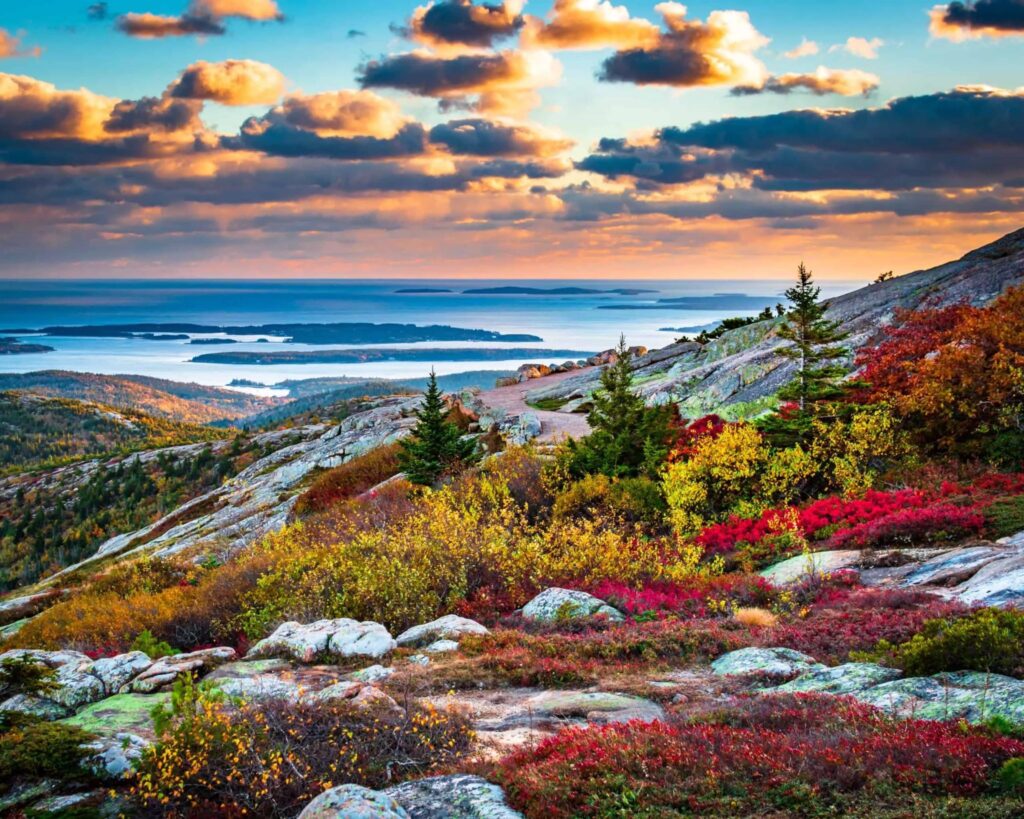
Situated along the Atlantic coast, Acadia combines mountains, forests, rocky shorelines, and ocean views.
Popular attractions include:
- Sunrise viewpoints
- Coastal hiking
- Cycling
- Scenic drives
- Birdwatching
It is one of the best national parks on the East Coas.
Popular Activities in National Parks
Regardless of which park you choose, there are many ways to enjoy the outdoors.
Hiking
From beginner-friendly nature walks to challenging backcountry trails, hiking is one of the most popular national park activities.
Camping
Many parks offer campgrounds where visitors can spend the night surrounded by nature.
Camping allows travelers to experience peaceful evenings, star-filled skies, and early morning wildlife.
Wildlife Viewing
National parks protect countless animal species.
Visitors often see:
- Bison
- Elk
- Deer
- Bears
- Mountain goats
- Eagles
- Foxes
- Moose
Always observe wildlife from a safe distance.
Scenic Driving
Many parks feature scenic roads with breathtaking viewpoints, making them ideal for travelers who prefer sightseeing by car.
Photography
Every season offers different photography opportunities, from colorful wildflowers in spring to snow-covered mountains in winter.
National parks remain among the most photographed destinations in the world.
Choosing the Right National Park
| Interest | Recommended Park Type |
| Wildlife | Yellowstone, Great Smoky Mountains, Glacier |
| Hiking | Zion, Yosemite, Rocky Mountain |
| Scenic Drives | Glacier, Great Smoky Mountains, Acadia |
| Families | Yellowstone, Great Smoky Mountains, Acadia |
| Camping | Yosemite, Glacier, Rocky Mountain |
| Photography | Grand Canyon, Yosemite, Zion |
| Water Activities | Acadia, Glacier, Yellowstone |
| Peaceful Nature | Glacier, Acadia, Rocky Mountain |
Choosing a park based on your interests, travel season, and activity level will help you enjoy a more rewarding and memorable adventure.
Common Uses of U.S. National Parks
National parks serve many purposes beyond tourism. They protect natural landscapes, preserve wildlife habitats, support scientific research, and provide opportunities for recreation and education. Millions of people visit these parks every year for different reasons, making them valuable public spaces for everyone.
Below are some of the most common ways people enjoy America’s national parks.
Family Vacations
National parks are excellent destinations for family trips because they combine adventure, education, and relaxation.
Families often enjoy:
- Easy hiking trails
- Scenic drives
- Picnic areas
- Junior Ranger programs
- Visitor centers
- Wildlife viewing
- Camping
- Educational exhibits
These activities create memorable experiences while helping children learn about nature and conservation.
Hiking and Backpacking
Many visitors travel to national parks specifically for hiking.
Trail options include:
- Beginner-friendly walks
- Moderate day hikes
- Challenging mountain climbs
- Multi-day backpacking routes
- Accessible paved trails
Whether you’re an experienced hiker or a beginner, there’s a trail suited to your skill level.
Wildlife Watching
National parks are among the best places in the United States to observe wildlife in its natural habitat.
Depending on the park, visitors may see:
- Bison
- Elk
- Bears
- Moose
- Wolves
- Deer
- Bighorn sheep
- Bald eagles
- Foxes
- Mountain lions (rarely)
Always keep a safe distance and avoid feeding wild animals.
Camping Adventures
Camping allows visitors to experience nature more closely.
Campgrounds often include:
- Tent sites
- RV spaces
- Restrooms
- Picnic tables
- Fire rings
- Drinking water
Many parks also offer backcountry camping for experienced adventurers seeking a more remote experience
Nature Photography
National parks attract photographers from around the world.
Popular photography subjects include:
- Mountains
- Waterfalls
- Wildflowers
- Forests
- Wildlife
- Rivers
- Lakes
- Sunrises
- Sunsets
- Night skies
Each season offers unique lighting and landscapes for stunning photographs.
Scenic Road Trips
Many travelers explore several national parks during one vacation.
Scenic drives provide access to:
- Mountain overlooks
- Historic landmarks
- Picnic areas
- Hiking trailheads
- Visitor centers
Road trips are especially popular in the western United States, where multiple parks are located within a day’s drive of one another.
Educational Experiences
Schools, colleges, and research organizations frequently use national parks as outdoor classrooms.
Students learn about:
- Ecology
- Geology
- Wildlife biology
- Climate science
- American history
- Native American culture
- Environmental conservation
Learning in nature helps make these subjects more engaging and memorable.
Benefits of Visiting the Best National Parks in the USA
America’s national parks offer much more than beautiful scenery. They provide physical, mental, educational, and environmental benefits for visitors of all ages.
Improves Physical Health
Exploring national parks encourages an active lifestyle.
Activities such as hiking, cycling, kayaking, and walking help improve:
- Heart health
- Strength
- Balance
- Endurance
- Overall fitness
Even a short walk through nature can have positive effects on your health.
Supports Mental Well-Being
Spending time in nature can reduce stress and improve mood.
Many visitors report that national parks help them:
- Relax
- Reduce anxiety
- Improve focus
- Feel refreshed
- Reconnect with family and friends
The peaceful surroundings provide a welcome break from busy daily life.
Encourages Environmental Awareness
Visiting national parks helps people understand the importance of protecting natural resources.
Visitors learn about:
- Wildlife conservation
- Ecosystem protection
- Climate change
- Sustainable tourism
- Responsible outdoor recreation
This awareness often inspires people to adopt environmentally friendly habits.
Provides Educational Opportunities
National parks combine recreation with learning.
Visitors can discover:
- Geological formations
- Native plants
- Animal behavior
- Historical events
- Cultural traditions
Many parks also offer ranger-led talks and interactive exhibits that make learning enjoyable.
Offers Activities for Every Age
Whether you’re traveling with young children, teenagers, adults, or seniors, national parks provide activities suitable for different abilities and interests.
Popular options include:
- Short walks
- Scenic drives
- Photography
- Camping
- Wildlife viewing
- Boat tours
- Educational programs
This variety makes national parks excellent destinations for multi-generational family vacations.
Creates Lasting Memories
Many travelers consider their national park adventures among their favorite vacation experiences.
Watching a sunrise over a canyon, spotting wildlife in the wild, or completing a challenging hike creates unforgettable memories that often inspire future outdoor adventures.
Limitations of Visiting National Parks
Although national parks offer incredible experiences, visitors should also be aware of potential challenges.
Large Crowds
Famous parks can become extremely busy during:
- Summer vacations
- National holidays
- Weekends
- Spring break
- Fall foliage season
Crowds may lead to:
- Traffic delays
- Full parking lots
- Longer entrance lines
- Crowded trails
Visiting early in the morning or during the off-season can improve your experience.
Weather Can Change Quickly
Mountain parks, in particular, may experience sudden weather changes.
Visitors should prepare for:
- Rain
- Snow
- Strong winds
- Hot temperatures
- Cold mornings
- Thunderstorms
Checking the forecast before your visit is always recommended.
Limited Mobile Phone Service
Many remote areas have little or no cell phone coverage.
Before entering the park, consider:
- Downloading offline maps
- Informing family of your plans
- Carrying printed directions
- Bringing emergency supplies
Being prepared increases safety during your visit.
Physical Challenges
Some hiking trails require good physical fitness.
Steep climbs, uneven terrain, and high elevations can be difficult for some visitors.
Choose trails that match your fitness level and experience.
Wildlife Safety
Although seeing wildlife is exciting, wild animals can be unpredictable.
Visitors should:
- Keep a safe distance.
- Never feed animals.
- Store food properly.
- Follow park safety guidelines.
- Carry bear spray where recommended.
Respecting wildlife protects both visitors and animals.
Comparison Table: Popular National Parks
| National Park | Best Known For | Best Activities | Best Time to Visit |
| Yellowstone | Geysers and wildlife | Wildlife viewing, sightseeing | May–September |
| Grand Canyon | Massive canyon views | Hiking, scenic overlooks | March–May, September–November |
| Yosemite | Waterfalls and granite cliffs | Hiking, camping, photography | April–October |
| Great Smoky Mountains | Forests and wildlife | Hiking, scenic drives | September–November |
| Zion | Red rock canyons | Hiking, rock climbing | March–May, September–October |
| Glacier | Alpine scenery | Hiking, boating | June–September |
| Rocky Mountain | Mountain landscapes | Hiking, wildlife viewing | June–September |
| Acadia | Coastal beauty | Hiking, cycling | June–October |
Comparison Table: Choosing the Right National Park
| Traveler Type | Best Choice | Why It’s Recommended |
| Families | Great Smoky Mountains | Easy trails and family-friendly attractions |
| Adventure Seekers | Zion | Challenging hikes and dramatic scenery |
| Wildlife Enthusiasts | Yellowstone | Exceptional wildlife viewing opportunities |
| Photographers | Yosemite | Iconic landscapes and waterfalls |
| Road Trip Travelers | Glacier | Spectacular scenic drives |
| Couples | Acadia | Coastal views and peaceful atmosphere |
| Campers | Rocky Mountain | Excellent campgrounds and outdoor activities |
| First-Time Visitors | Grand Canyon | One of America’s most famous natural wonders |
How to Choose the Best National Park for Your Trip
Selecting the right national park depends on several factors, including your interests, travel season, budget, and activity level.
Consider the following before planning your trip:
- Decide whether you prefer mountains, forests, deserts, or coastlines.
- Check seasonal weather conditions and park accessibility.
- Choose activities that match your fitness level.
- Reserve lodging or campsites well in advance.
- Research entrance fees and transportation options.
- Allow enough time to explore without rushing.
- Review park maps and trail information before arriving.
By matching your travel goals with the features of each park, you’ll enjoy a safer, more rewarding, and memorable national park experience.
Real-World Examples of Visiting U.S. National Parks
National parks offer memorable experiences for every type of traveler. The following real-world examples show how different visitors can enjoy America’s protected landscapes based on their interests, travel style, and budget.
Example Family Summer Vacation
A family of four plans a five-day trip to a national park during summer vacation.
Day
- Arrive and check into a nearby lodge
- Visit the park’s visitor center
- Watch the introductory park film
- Take a short nature walk
Day
- Enjoy an easy hiking trail
- Join a Junior Ranger program
- Have a picnic lunch
- Watch wildlife during the evening
Day
- Take a scenic drive
- Visit waterfalls and viewpoints
- Explore educational exhibits
Day
- Go camping
- Attend a ranger-led evening program
- Stargaze after sunset
Day
- Visit a historic site
- Shop for souvenirs
- Return home
This type of trip combines education, recreation, and quality family time.
Example Adventure Traveler
An experienced hiker visits a mountain national park looking for challenging trails.
Activities include:
- Sunrise hike
- Multi-day backpacking trip
- Wildlife photography
- Camping
- Mountain lake exploration
- Scenic overlooks
By researching trail conditions in advance and carrying proper safety equipment, the traveler enjoys a rewarding outdoor adventure.
Example Wildlife Photographer
A professional photographer visits a park known for abundant wildlife.
The photographer spends several days:
- Photographing bison at sunrise
- Capturing birds in flight
- Taking landscape photos during golden hour
- Recording seasonal changes
- Observing animals from safe viewing areas
National parks provide some of the best opportunities in North America for ethical wildlife photography.
A middle school science class visits a nearby national park as part of an environmental education program.
Students learn about:
- Local ecosystems
- Native plants
- Wildlife habitats
- Geological formations
- Conservation practices
Hands-on learning in nature helps students better understand classroom concepts while encouraging environmental responsibility.
Example Retirement Road Trip
A retired couple spends several weeks exploring multiple national parks across the western United States.
Their journey includes:
- Scenic highways
- Historic landmarks
- Easy walking trails
- Visitor centers
- Local museums
- Small towns near the parks
Traveling at a relaxed pace allows them to appreciate each destination while avoiding unnecessary stress.
Practical Applications of National Parks
National parks provide value far beyond recreation. They play an important role in conservation, education, scientific research, and local economies.
Environmental Conservation
Protected lands help preserve:
- Native forests
- Rivers and lakes
- Wetlands
- Grasslands
- Mountain ecosystems
- Endangered plant species
- Wildlife habitats
These conservation efforts protect biodiversity for future generations.
Scientific Research
Researchers use national parks to study:
- Climate change
- Animal migration
- Plant growth
- Forest health
- Water quality
- Geological processes
- Ecosystem restoration
The information collected supports better environmental management around the world.
Tourism and Local Economies

Millions of visitors contribute to nearby communities by spending money on:
- Hotels
- Restaurants
- Campgrounds
- Local transportation
- Tour companies
- Outdoor equipment
- Gift shops
This tourism supports jobs and helps local businesses thrive.
Outdoor Education
National parks serve as living classrooms where visitors of all ages can learn about:
- Geography
- Ecology
- Wildlife biology
- American history
- Native cultures
- Environmental science
Many parks also offer educational workshops and guided programs throughout the year.
Other Meanings of “National Park”
Although this article focuses on the best national parks in the United States, the term “national park” can have different meanings depending on the country and context.
| Meaning | Description |
| Protected Natural Area | Land preserved by a government for conservation and recreation. |
| Wildlife Reserve | Some countries use national parks primarily to protect endangered species and habitats. |
| Historic National Park | Certain parks preserve important cultural, archaeological, or historical sites in addition to natural landscapes. |
| Marine National Park | Protected coastal waters and marine ecosystems designed to conserve ocean life and coral reefs. |
| International National Parks | Many countries, including Canada, Australia, South Africa, and New Zealand, operate their own national park systems. |
In the United States, national parks are managed by the National Park Service (NPS) and are protected for the enjoyment and education of both current and future generations.
Expert Tips for Visiting the Best National Parks in the USA
Proper planning can help you enjoy a safer, more comfortable, and more rewarding trip.
Visit Early in the Day
Arriving early offers several advantages:
- Smaller crowds
- Easier parking
- Cooler temperatures
- Better wildlife viewing
- Improved photography lighting
Morning visits are especially helpful during the busy summer season.
Reserve Accommodation Early
Hotels, lodges, and campgrounds near popular national parks often sell out months in advance.
Book as early as possible if you’re visiting during:
- Summer vacations
- Spring break
- National holidays
- Fall foliage season
Early reservations provide more choices and often better prices.
Dress in Layers
Weather conditions can change quickly, especially in mountain regions.
Bring:
- Lightweight clothing
- Warm jacket
- Rain gear
- Comfortable hiking boots
- Hat
- Gloves (when appropriate)
Layered clothing helps you stay comfortable throughout the day.
Carry Essential Supplies
Always pack the basics before starting your adventure.
Recommended items include:
- Drinking water
- Healthy snacks
- Sunscreen
- Sunglasses
- First-aid kit
- Flashlight
- Map
- Portable phone charger
- Insect repellent
Being prepared makes your visit both safer and more enjoyable.
Respect Wildlife
Never approach or feed wild animals.
Instead:
- Observe from a safe distance.
- Use binoculars or a camera with a zoom lens.
- Store food securely.
- Follow ranger instructions.
Respecting wildlife protects both visitors and the animals.
Stay on Marked Trails
Leaving designated trails can:
- Damage fragile ecosystems
- Increase the risk of getting lost
- Disturb wildlife
- Cause erosion
Marked trails are designed to provide safe access while protecting natural habitats.
Follow the Leave No Trace Principles
Help preserve national parks by:
- Packing out all trash.
- Leaving plants and rocks where you find them.
- Respecting wildlife.
- Minimizing campfire impacts.
- Being considerate of other visitors.
These simple actions help keep parks beautiful for everyone.
Check Park Alerts Before You Go
Before your trip, review current park updates for:
- Road closures
- Trail conditions
- Weather warnings
- Fire restrictions
- Wildlife activity
- Construction projects
Staying informed helps you adjust your plans and avoid unexpected disruptions.
Why Responsible Tourism Matters
Every visitor plays a role in protecting America’s national parks. Choosing sustainable travel practices, respecting wildlife, following park regulations, and supporting local communities help preserve these remarkable places for future generations.
Responsible tourism ensures that the beauty, biodiversity, and cultural heritage of U.S. national parks remain accessible for decades to come.
Frequently Asked Questions
What is the best national park to visit in the USA?
There is no single “best” national park because every park offers something unique. Yellowstone National Park is famous for its geysers and wildlife, the Grand Canyon is known for its breathtaking canyon views, Yosemite attracts hikers and photographers, while Great Smoky Mountains National Park is popular for its forests, waterfalls, and family-friendly activities.
How many national parks are there in the United States?
The United States currently has 63 officially designated national parks managed by the National Park Service. In addition, the National Park System includes hundreds of other protected sites, such as national monuments, historic sites, recreation areas, battlefields, and scenic trails.
Which national park is best for families?
Great Smoky Mountains National Park is often considered one of the best choices for families because it offers easy hiking trails, scenic drives, picnic areas, wildlife viewing, visitor centers, and educational programs suitable for children and adults.
What is the best time of year to visit U.S. national parks?
The ideal time depends on the destination. Spring and fall usually offer pleasant weather and fewer crowds, making them excellent seasons for hiking and sightseeing. Summer is perfect for high-elevation parks but is also the busiest travel season. Winter provides peaceful scenery and opportunities for snow-based recreation in selected parks.
Do I need to pay an entrance fee?
Many national parks charge an entrance fee that helps maintain facilities, trails, and conservation programs. However, some parks offer free admission throughout the year, and the National Park Service also designates several fee-free days annually. Frequent visitors may benefit from purchasing an annual park pass.
Can I camp inside a national park?
Yes. Most national parks offer campgrounds for tents and recreational vehicles (RVs). Some also provide backcountry camping permits for experienced hikers. Since campsites at popular parks fill quickly during peak seasons, advance reservations are highly recommended.
Are pets allowed in national parks?
Pets are allowed in many national parks, but access is often limited to specific areas such as campgrounds, paved roads, parking lots, and certain trails. Regulations vary by park, so it’s important to review the park’s pet policy before traveling.
What should I pack for a national park trip?
Essential items include:
- Comfortable hiking shoes
- Weather-appropriate clothing
- Drinking water
- Healthy snacks
- Sunscreen
- Hat
- Sunglasses
- First-aid kit
- Camera
- Park map
- Flashlight
- Portable phone charger
Packing according to the season and your planned activities will make your trip safer and more enjoyable.
Are national parks suitable for beginner hikers?
Absolutely. Most national parks offer trails for all skill levels, including short, paved, and accessible routes for beginners, as well as moderate and challenging trails for experienced hikers. Visitor centers and park maps usually provide information about trail difficulty and estimated hiking times.
How can I help protect national parks?
Visitors can help preserve national parks by following the Leave No Trace principles. Stay on marked trails, dispose of waste properly, avoid disturbing wildlife, never remove natural objects, respect park regulations, and support conservation efforts through responsible travel and education.
Conclusion
The best national parks in the USA showcase the country’s extraordinary natural beauty, from towering mountain ranges and ancient forests to dramatic canyons, crystal-clear lakes, and diverse wildlife habitats. Whether you enjoy hiking, camping, scenic drives, photography, or simply relaxing in nature, these protected landscapes offer unforgettable experiences for travelers of all ages. Every park has its own unique character, making each visit a new opportunity to discover the wonders of America’s great outdoors.
Planning ahead, respecting park rules, and traveling responsibly will help you make the most of your adventure while protecting these remarkable places for future generations. Whether you’re exploring an iconic destination like Yellowstone or discovering a lesser-known gem, America’s national parks provide endless opportunities for learning, recreation, and inspiration. Add a few of these incredible parks to your travel bucket list, and you’ll create memories that last a lifetime.
Related Articles
Continue exploring the beauty of the United States with these helpful travel guides:
- Best Beaches in Florida
- Things to Do in Miami
- Things to Do in New York
- Things to Do in Las Vegas
- Best National Parks for Hiking
- Best Road Trips in the USA
- Top Family Vacation Destinations in America
- Best Camping Spots in the United States
- Most Beautiful Places to Visit in the USA
- Essential Travel Tips for First-Time National Park Visitors
Things to Do in Chicago: The Ultimate Travel Guide to Attractions, Food, Entertainment & Hidden Gems
