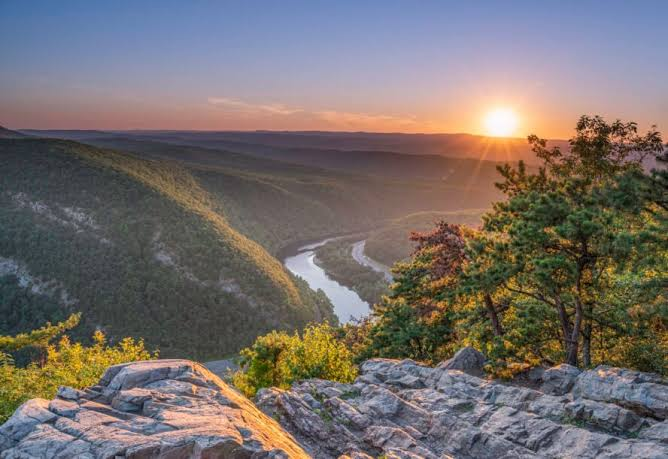
Best Hiking Trails USA refers to the top-rated hiking paths across the United States that offer breathtaking scenery, unique landscapes, and unforgettable outdoor experiences. These trails range from easy nature walks to challenging mountain treks, making them suitable for beginners, families, and experienced hikers seeking adventure in America’s diverse national parks and wilderness areas.
The United States is home to some of the world’s most spectacular hiking destinations. From the towering peaks of the Rocky Mountains to the lush forests of the Pacific Northwest and the dramatic canyons of the Southwest, there is a hiking trail for every skill level and interest. Whether you want to enjoy a short scenic walk or conquer a multi-day backpacking adventure, America’s trail system offers endless opportunities to explore nature.
Choosing the Best Hiking Trails USA depends on several factors, including trail difficulty, scenery, accessibility, wildlife, and seasonal conditions. Some trails are famous for panoramic mountain views, while others attract hikers with waterfalls, alpine lakes, desert landscapes, or coastal cliffs. Understanding these differences helps hikers select the perfect destination for their next outdoor adventure.
In this guide, you’ll discover what makes a hiking trail exceptional, how hiking trails are classified, why they are important for outdoor recreation, and how to choose the best trail based on your experience level. You’ll also learn valuable hiking tips and practical advice to make every trip safe, enjoyable, and memorable.
What Does Best Hiking Trails USA Mean?
The phrase Best Hiking Trails USA refers to the highest-rated hiking routes found throughout the United States. These trails are recognized for their natural beauty, safety, accessibility, recreational value, and unique outdoor experiences.
A hiking trail is a marked path designed for walking through natural environments such as:
- National Parks
- State Parks
- National Forests
- Mountain Ranges
- Deserts
- Coastal Areas
- Wildlife Refuges
- Wilderness Areas
The “best” hiking trails are typically those that consistently receive excellent reviews from hikers, outdoor experts, park rangers, and travel publications. They often feature remarkable scenery, well-maintained paths, diverse ecosystems, and memorable viewpoints.
Unlike ordinary walking paths, premier hiking trails provide immersive outdoor experiences where visitors can connect with nature while exploring America’s incredible landscapes.
Characteristics of the Best Hiking Trails
High-quality hiking trails often include:
Stunning Natural Scenery
Many of America’s top hiking trails pass through landscapes featuring:
- Snow-capped mountains
- Crystal-clear lakes
- Ancient forests
- Waterfalls
- Sandstone cliffs
- Desert canyons
- Coastal beaches
- Wildflower meadows
These scenic environments make hiking both visually rewarding and relaxing.
Well-Maintained Trail Systems
The best trails are regularly maintained by organizations such as:
- National Park Service
- U.S. Forest Service
- State Park Departments
- Local conservation groups
- Volunteer trail organizations
Maintenance usually includes:
- Trail markers
- Directional signs
- Footbridges
- Safety railings
- Campsites
- Rest areas
- Information boards
Well-maintained trails reduce navigation problems and improve overall safety.
Accessibility
Excellent hiking trails are available for many experience levels.
Some are ideal for:
- Families
- Children
- Senior hikers
- Casual walkers
- First-time hikers
Others are designed for:
- Experienced backpackers
- Mountain climbers
- Endurance hikers
- Adventure travelers
This variety allows nearly everyone to enjoy outdoor recreation regardless of physical ability.
Wildlife Opportunities
Many hiking trails provide opportunities to observe wildlife in its natural habitat.
Depending on the region, hikers may encounter:
- Elk
- Deer
- Mountain goats
- Bald eagles
- Black bears
- Bighorn sheep
- Foxes
- Wild turkeys
- Moose
Responsible wildlife viewing is an important part of the hiking experience.
Unique Natural Features
America’s best trails often showcase extraordinary geological and ecological attractions, including:
- Natural arches
- Glaciers
- Lava fields
- Giant sequoias
- Slot canyons
- Hot springs
- Alpine lakes
- Volcanic craters
These features make each destination unique and unforgettable.
Why Hiking Trails Are Important
Hiking trails serve many important purposes beyond recreation.
They help:
- Protect natural habitats
- Promote environmental education
- Support tourism
- Encourage healthy lifestyles
- Preserve historic routes
- Connect communities with nature
- Reduce environmental damage by directing foot traffic
Millions of visitors enjoy these trails every year while contributing to local economies through lodging, restaurants, transportation, and outdoor recreation businesses.
How Hiking Trails Are Rated
Outdoor organizations typically evaluate hiking trails using several criteria.
Difficulty Level
Trails are generally categorized as:
| Difficulty | Description | Suitable For |
| Easy | Flat terrain with short distances | Beginners |
| Moderate | Some elevation gain and longer distances | Most hikers |
| Difficult | Steep climbs and rugged terrain | Experienced hikers |
| Expert | Technical routes requiring advanced skills | Professional hikers |
Scenic Value
Trails are often rated based on:
- Mountain views
- Waterfalls
- Lakes
- Forests
- Wildlife
- Seasonal beauty
- Sunrise and sunset viewpoints
Scenic diversity is one of the biggest reasons hikers return to the same trail.
Safety
Top hiking trails usually provide:
- Clear signage
- Emergency access
- Maintained pathways
- Ranger patrols
- Updated trail conditions
- Weather information
Safety significantly influences a trail’s popularity.
Popularity
Some trails become famous because of:
- Social media
- National parks
- Travel magazines
- Outdoor photography
- Word-of-mouth recommendations
- Hiking communities
Popularity often reflects a combination of natural beauty and visitor satisfaction.
How Best Hiking Trails USA Works
Finding the Best Hiking Trails USA involves matching a trail with your experience, fitness level, interests, and travel goals. Rather than choosing the most famous trail, successful hikers consider factors such as distance, elevation gain, terrain, weather, and available facilities before planning a trip.
Choose Your Hiking Goal
Start by deciding what kind of hiking experience you want.
Some hikers prefer:
- Relaxing forest walks
- Scenic mountain viewpoints
- Waterfall hikes
- Desert adventures
- Wildlife observation
- Photography trips
- Backpacking expeditions
- Family-friendly nature trails
Knowing your goal helps narrow down the best trail options.
Match the Trail to Your Fitness Level
Selecting a trail that matches your physical ability is essential for both safety and enjoyment.
For example:
- Beginners may enjoy short, paved, or gently sloping trails.
- Intermediate hikers often choose moderate routes with some elevation gain.
- Experienced hikers may seek challenging climbs, long-distance routes, or backcountry adventures.
Being realistic about your fitness level helps prevent fatigue and reduces the risk of injury.
Check Trail Conditions
Before heading out, review current trail information such as:
- Weather forecast
- Seasonal closures
- Wildfire alerts
- Snow conditions
- Water crossings
- Wildlife activity
- Permit requirements
Preparing in advance can make your hike safer and more enjoyable.
Pack the Right Gear
Essential hiking gear usually includes:
- Comfortable hiking boots or shoes
- Water bottles or hydration pack
- Trail map or GPS
- Snacks or meals
- First-aid kit
- Sunscreen
- Hat and sunglasses
- Weather-appropriate clothing
- Flashlight or headlamp
- Emergency whistle
Carrying the proper equipment helps you stay comfortable and prepared for changing conditions.
Follow Leave No Trace Principles
Responsible hikers protect natural areas by following basic outdoor ethics:
- Stay on marked trails.
- Pack out all trash.
- Respect wildlife from a distance.
- Avoid picking plants or flowers.
- Leave natural objects where they are.
- Keep noise levels low.
- Follow campground and fire regulations.
These practices help preserve America’s hiking trails for future generations.
Types of Hiking Trails in the USA
The Best Hiking Trails USA come in many different forms. Some are perfect for a relaxing afternoon walk, while others require several days of hiking through remote wilderness. Understanding the different trail types helps you choose the right adventure based on your fitness level, available time, and outdoor goals.
Day Hiking Trails
Day hikes are the most popular type of hiking trail in the United States. These routes can usually be completed within a few hours and do not require overnight camping.
Features
- Short to moderate distances
- Clearly marked paths
- Easy parking access
- Family-friendly options
- Minimal hiking gear required
Best For
- Beginners
- Families
- Weekend travelers
- Tourists
- Casual outdoor enthusiasts
Examples
- Lower Yosemite Fall Trail
- Emerald Lake Trail
- Cadillac Summit Trail
- Hidden Lake Overlook
Backpacking Trails
Backpacking trails are designed for multi-day adventures where hikers carry camping gear, food, and supplies.
Features
- Long-distance routes
- Overnight camping
- Remote wilderness
- Greater physical challenge
- Requires planning and permits
Best For
- Experienced hikers
- Adventure travelers
- Outdoor enthusiasts
- Wilderness explorers
Popular backpacking trips often pass through national parks, forests, and mountain ranges where hikers experience nature far from crowds.
Loop Trails
Loop trails begin and end at the same location while following a circular route.
Advantages
- No need to retrace your steps
- Constantly changing scenery
- Easy parking logistics
- Great for photography
Many hikers prefer loop trails because they provide new views throughout the journey.
Out-and-Back Trails
These trails require hikers to return along the same path used to reach the destination.
Benefits
- Easy navigation
- Flexible distance
- Ideal for beginners
- Suitable for waterfall hikes
Although hikers see the same trail twice, the return trip often offers completely different perspectives.
Point-to-Point Trails
Point-to-point trails start and finish at different locations.
Characteristics
- Long-distance routes
- Requires transportation planning
- Popular for thru-hiking
- Excellent for extended adventures
These trails are commonly used by experienced hikers looking for a more immersive outdoor experience.
Mountain Hiking Trails
Mountain trails lead hikers through high elevations and often reward them with breathtaking summit views.
Typical Features
- Significant elevation gain
- Rocky terrain
- Cooler temperatures
- Panoramic scenery
- Challenging climbs
Mountain hikes are among the most rewarding but also require greater preparation.
Waterfall Hiking Trails
Many visitors specifically seek trails leading to waterfalls.
Popular Features
- Flowing rivers
- Forest scenery
- Misty viewpoints
- Swimming areas (where permitted)
- Excellent photography opportunities
These hikes are especially popular during spring and early summer when water levels are highest.
Coastal Hiking Trails
Coastal trails follow beaches, cliffs, and oceanfront landscapes.
Highlights
- Ocean views
- Sea wildlife
- Fresh air
- Rocky coastlines
- Spectacular sunsets
These trails combine hiking with beautiful marine scenery.
Desert Hiking Trails
The American Southwest offers incredible desert hiking experiences.
Features
- Red rock formations
- Slot canyons
- Sandstone cliffs
- Unique plants
- Wide-open landscapes
Because temperatures can become extreme, hikers should start early and carry plenty of water.
Forest Hiking Trails
Forest trails pass through wooded landscapes filled with wildlife and peaceful surroundings.
Benefits
- Shade during summer
- Birdwatching
- Cooler temperatures
- Quiet atmosphere
- Rich biodiversity
These trails are ideal for nature lovers looking to escape busy city life.
Common Uses of the Best Hiking Trails USA

Hiking trails serve many purposes beyond simple recreation. Millions of Americans and international visitors use these trails every year for health, education, photography, and adventure.
Outdoor Recreation
The primary purpose of hiking trails is recreational enjoyment.
People hike to:
- Relax outdoors
- Explore nature
- Spend time with family
- Enjoy scenic landscapes
- Escape daily stress
Outdoor recreation remains one of the biggest reasons national parks attract millions of visitors annually.
Physical Fitness
Hiking provides an excellent full-body workout.
Regular hiking improves:
- Heart health
- Leg strength
- Balance
- Flexibility
- Endurance
- Core muscles
- Overall fitness
Unlike gym workouts, hiking combines exercise with beautiful natural surroundings.
Mental Health
Nature has a calming effect on the mind.
Many hikers report improvements in:
- Stress management
- Anxiety reduction
- Mood
- Creativity
- Focus
- Emotional well-being
Time spent outdoors often helps people disconnect from technology and reconnect with nature.
Wildlife Observation
Many hiking destinations offer incredible wildlife viewing opportunities.
Common animals include:
- Elk
- Deer
- Moose
- Mountain goats
- Bald eagles
- Owls
- Foxes
- Black bears
- Wild turkeys
Responsible hikers observe wildlife from a safe distance without disturbing natural habitats.
Photography
Photography is one of the fastest-growing reasons people visit hiking trails.
Popular photography subjects include:
- Sunrises
- Sunsets
- Mountains
- Waterfalls
- Lakes
- Wildflowers
- Wildlife
- Forests
- Seasonal colors
Many professional landscape photographers regularly visit America’s most scenic hiking destinations.
Camping and Backpacking
Many hiking trails connect to campgrounds or backcountry campsites.
Campers enjoy:
- Stargazing
- Wilderness experiences
- Multi-day adventures
- Campfires (where permitted)
- Remote landscapes
Backpacking combines hiking with outdoor survival skills.
Educational Opportunities
National parks and nature preserves often use hiking trails as outdoor classrooms.
Visitors learn about:
- Geology
- Wildlife
- Native plants
- Conservation
- Local history
- Indigenous cultures
- Climate
- Ecosystems
Interpretive signs along many trails make learning enjoyable for all ages
Family Adventures
Many hiking trails are designed specifically for families.
Family-friendly trails typically include:
- Short distances
- Gentle slopes
- Picnic areas
- Restrooms
- Scenic viewpoints
- Educational exhibits
These trails encourage children to develop an appreciation for nature from an early age.
Benefits of the Best Hiking Trails USA
Hiking offers countless physical, mental, social, and environmental benefits. Whether you’re exploring a local state park or a famous national park, spending time on the trail can improve your overall quality of life.
Improves Physical Health
Hiking is one of the most effective forms of low-impact exercise.
Benefits include:
- Burns calories
- Strengthens muscles
- Improves cardiovascular health
- Increases stamina
- Supports weight management
- Enhances flexibility
Regular hiking can become part of a healthy lifestyle for people of many ages.
Supports Mental Well-Being
Nature exposure has been linked to reduced stress and improved emotional health.
Many hikers experience:
- Better mood
- Increased confidence
- Lower stress levels
- Improved sleep
- Enhanced focus
- Greater relaxation
Even a short hike can provide a refreshing mental break.
Encourages Healthy Habits
Hiking naturally promotes:
- Better hydration
- More outdoor activity
- Reduced screen time
- Improved daily movement
- Consistent exercise routines
These habits contribute to long-term wellness.
Strengthens Family and Friend Relationships
Hiking creates meaningful shared experiences.
Groups often enjoy:
- Teamwork
- Conversation
- Outdoor games
- Photography
- Picnics
- Exploration
Many families make hiking an annual tradition.
Connects People with Nature
One of hiking’s greatest benefits is developing a deeper appreciation for the natural world.
Hikers gain firsthand experience with:
- National parks
- Wildlife habitats
- Forest ecosystems
- Mountain environments
- Rivers and lakes
- Seasonal changes
This connection often inspires environmental stewardship and conservation efforts.
Supports Local Economies
Popular hiking destinations contribute significantly to nearby communities.
Visitors spend money on:
- Hotels
- Restaurants
- Campgrounds
- Outdoor gear
- Local guides
- Transportation
- Visitor attractions
Tourism generated by hiking helps support jobs and small businesses across the United States.
Suitable for Almost Every Skill Level
Unlike many outdoor sports, hiking can be adapted to different abilities.
Options include:
- Accessible paved trails
- Easy nature walks
- Moderate scenic hikes
- Challenging summit climbs
- Multi-day backpacking routes
This flexibility makes hiking one of the most inclusive outdoor activities available.
Promotes Environmental Awareness
Experiencing forests, mountains, deserts, and wetlands firsthand helps people understand the importance of protecting these natural spaces.
Many hikers become active supporters of:
- Conservation programs
- Trail maintenance
- Wildlife protection
- Park volunteer projects
- Sustainable outdoor practices
Responsible recreation helps preserve America’s landscapes for future generations.
Limitations of the Best Hiking Trails USA
Although the Best Hiking Trails USA offer unforgettable outdoor experiences, they also come with certain challenges. Understanding these limitations helps hikers prepare properly and stay safe while enjoying nature.
Weather Can Change Quickly
One of the biggest challenges of hiking is unpredictable weather. Conditions can change within minutes, especially in mountainous areas.
Possible weather hazards include:
- Heavy rain
- Snowstorms
- Strong winds
- Extreme heat
- Fog
- Lightning
Always check the forecast before starting your hike and carry extra clothing for changing conditions.
Physical Demands
Not every trail is suitable for every person.
Some trails include:
- Steep climbs
- Rocky terrain
- Long distances
- High elevations
- River crossings
Without proper fitness and preparation, these trails can become exhausting or even dangerous.
Wildlife Encounters
Wildlife is one of the highlights of hiking, but it also requires caution.
Depending on the region, hikers may encounter:
- Black bears
- Grizzly bears
- Mountain lions
- Snakes
- Moose
- Bison
- Ticks
- Mosquitoes
Keeping a safe distance and following park guidelines helps reduce risks.
Limited Cell Phone Service
Many beautiful hiking destinations are located in remote wilderness areas where mobile phone coverage is weak or unavailable.
Because of this:
- Download offline maps.
- Carry a paper map.
- Tell someone your hiking plans.
- Bring emergency supplies.
Preparation is essential when exploring remote locations.
Seasonal Closures
Some hiking trails are only accessible during certain times of the year.
Trails may close because of:
- Heavy snowfall
- Flooding
- Wildfires
- Trail repairs
- Wildlife protection
- Dangerous weather
Checking trail conditions before your trip helps avoid disappointment.
Crowds at Popular Trails
America’s most famous hiking trails often attract thousands of visitors.
Crowded trails may result in:
- Busy parking lots
- Long wait times
- Less peaceful surroundings
- Limited campsite availability
Visiting early in the morning or during weekdays can provide a more enjoyable experience.
Permit Requirements
Several national parks require permits for overnight hikes or access to popular trails.
Examples include:
- Backcountry camping permits
- Wilderness permits
- Timed entry reservations
- Lottery systems
Planning several months ahead may be necessary for high-demand destinations.
Comparison Table: Popular Types of Hiking Trails
| Trail Type | Difficulty | Typical Distance | Best For | Main Attraction |
| Day Hike | Easy–Moderate | 1–10 miles | Beginners | Quick outdoor adventure |
| Backpacking Trail | Moderate–Expert | 20–200+ miles | Experienced hikers | Multi-day wilderness trips |
| Loop Trail | Easy–Moderate | 2–12 miles | Families | New scenery throughout the hike |
| Out-and-Back Trail | Easy–Hard | 2–15 miles | Most hikers | Flexible hiking distance |
| Mountain Trail | Moderate–Expert | 4–15 miles | Adventure seekers | Summit views |
| Waterfall Trail | Easy–Moderate | 1–8 miles | Families | Scenic waterfalls |
| Desert Trail | Moderate | 2–12 miles | Nature lovers | Red rock landscapes |
| Coastal Trail | Easy–Moderate | 2–10 miles | Photographers | Ocean views |
| Forest Trail | Easy–Moderate | 1–10 miles | Relaxation | Trees and wildlife |
Comparison Table: Easy vs Moderate vs Difficult Hiking Trails
| Feature | Easy | Moderate | Difficult |
| Distance | Short | Medium | Long |
| Elevation Gain | Minimal | Moderate | Significant |
| Fitness Required | Low | Average | High |
| Technical Skills | None | Basic | Advanced |
| Recommended For | Beginners | Regular hikers | Experienced hikers |
| Average Hiking Time | 1–3 Hours | 3–6 Hours | 6+ Hours |
Comparison Table: National Park Hiking vs State Park Hiking
| Feature | National Parks | State Parks |
| Size | Larger | Smaller |
| Visitor Numbers | Higher | Lower |
| Famous Landmarks | Yes | Sometimes |
| Entrance Fees | Often Required | Usually Lower |
| Trail Variety | Extensive | Moderate |
| Camping Options | Numerous | Limited in Some Parks |
| Wildlife Diversity | High | Moderate |
Real-World Examples of the Best Hiking Trails USA
The United States features thousands of outstanding hiking trails. The following examples are among the most popular because of their scenery, accessibility, and memorable outdoor experiences.
Angels Landing
Highlights
- Stunning canyon views
- Dramatic sandstone cliffs
- Challenging elevation gain
- Iconic final ridge section
Best For
- Experienced hikers
- Adventure seekers
- Landscape photographers
This trail is famous for its breathtaking views and thrilling final section, which requires careful footing and attention.
Bright Angel Trail
Located within the Grand Canyon, this trail offers an unforgettable journey into one of the world’s most famous natural wonders.
Features
- Layered canyon scenery
- Rest areas
- Water stations (seasonal)
- Historic trail
Because the return trip is uphill, hikers should pace themselves and carry plenty of water.
Half Dome Trail
One of America’s most recognizable hikes, Half Dome is known for its granite summit and panoramic views.
Popular Attractions
- Yosemite Valley
- Vernal Fall
- Nevada Fall
- Granite domes
- Cable-assisted summit
Permits are required for the cable section during the hiking season.
The Narrows
Instead of walking beside a river, hikers travel directly through it.
Why It’s Unique
- Towering canyon walls
- River hiking
- Cool temperatures
- Incredible photography
Water levels should always be checked before attempting this adventure.
Skyline Trail
This trail showcases beautiful alpine scenery during summer.
Visitors often enjoy:
- Wildflower meadows
- Snow-covered peaks
- Glaciers
- Mountain goats
- Panoramic viewpoints
It’s considered one of the best day hikes in the Pacific Northwest.
Emerald Lake Trail
Perfect for beginners and families, this trail passes several beautiful alpine lakes.
Highlights
- Easy navigation
- Mountain reflections
- Wildlife viewing
- Scenic picnic areas
The trail is especially beautiful during autumn.
Acadia Coastal Trails
Acadia National Park combines mountain hiking with spectacular Atlantic Ocean views.
Popular features include:
- Granite cliffs
- Ocean breezes
- Sunrise viewpoints
- Coastal forests
- Historic carriage roads
Cascade Canyon Trail
Located in Grand Teton National Park, this trail provides excellent opportunities for wildlife viewing.
Visitors may spot:
- Moose
- Elk
- Bears
- Bald eagles
- Marmots
The surrounding mountain scenery makes this one of Wyoming’s most rewarding hikes.
Lost Mine Trail
This scenic trail in Big Bend National Park offers expansive views of rugged desert mountains.
Why Visitors Love It
- Moderate difficulty
- Desert wildlife
- Panoramic overlooks
- Cooler temperatures at higher elevations
Avalanche Lake Trail (Montana)
A favorite in Glacier National Park, this hike combines forests, waterfalls, and a stunning alpine lake.
Highlights
- Cedar forests
- Crystal-clear lake
- Waterfalls
- Wildlife sightings
- Family-friendly experience
Practical Applications of Hiking Trails
Hiking trails are valuable for more than recreation. They support a wide range of personal, educational, and environmental purposes.
Outdoor Education
Schools and universities use trails to teach:
- Ecology
- Geology
- Wildlife biology
- Environmental science
- Conservation practices
Students gain hands-on learning experiences in natural settings.
Health and Wellness Programs
Many healthcare providers encourage hiking as part of a healthy lifestyle because it can help improve cardiovascular fitness, reduce stress, and promote regular physical activity.
Photography and Content Creation
Travel bloggers, photographers, and filmmakers frequently use scenic hiking trails to create:
- Nature documentaries
- Social media content
- Travel guides
- Educational videos
- Landscape photography portfolios
Conservation and Volunteer Work
Many hiking organizations organize volunteer events where participants:
- Repair trails
- Remove litter
- Build bridges
- Restore habitats
- Install trail signs
These efforts help keep hiking destinations safe and enjoyable for everyone.
Eco-Tourism
Hiking plays an important role in sustainable tourism by encouraging visitors to appreciate natural environments while supporting local communities and conservation initiatives.
Other Meanings of “Best Hiking Trails USA“
The phrase Best Hiking Trails USA generally refers to the top hiking routes across the United States. However, depending on the context, it can have slightly different meanings.
| Term | Meaning |
| Best Hiking Trails USA | Top-rated hiking trails across America |
| Best Day Hikes USA | Short hiking trails completed in one day |
| Best Backpacking Trails USA | Multi-day wilderness hiking routes |
| Best National Park Trails | Highest-rated trails inside U.S. national parks |
| Scenic Hiking Trails USA | Trails known primarily for beautiful views |
| Family Hiking Trails USA | Easy hikes suitable for children and beginners |
| Mountain Hiking Trails USA | Trails leading to peaks and alpine landscapes |
| Nature Trails USA | Educational or recreational walking paths through natural environments |
Although these terms are similar, each focuses on a different type of hiking experience.
Expert Tips for Choosing the Best Hiking Trails USA
Selecting the right hiking trail can make your trip safer, more enjoyable, and more memorable. Consider these practical tips before heading outdoors.
Research the Trail Before You Go
Read trail descriptions and check:
- Distance
- Elevation gain
- Difficulty
- Weather forecast
- Seasonal conditions
- Parking information
- Permit requirements
Being informed helps you avoid unexpected challenges.
Wear Proper Footwear
Comfortable hiking boots or trail shoes provide:
- Better traction
- Ankle support
- Improved stability
- Reduced risk of slipping
Avoid hiking in sandals or worn-out athletic shoes on rugged terrain.
Carry Plenty of Water
Hydration is one of the most important parts of hiking.
A general guideline is to carry:
- At least 2 liters for shorter hikes
- More for long or hot-weather hikes
Drink water regularly rather than waiting until you feel thirsty.
Start Early
Morning hikes offer several advantages:
- Cooler temperatures
- Better lighting for photography
- Fewer crowds
- More wildlife activity
- Extra daylight for unexpected delays
Starting early also reduces the risk of finishing after dark.
Dress in Layers
Weather conditions can change quickly, especially in mountains.
Layering allows you to:
- Stay warm
- Prevent overheating
- Adjust to changing temperatures
- Remain comfortable throughout the hike
Pack the Essentials
Every hike should include basic safety equipment.
Recommended items include:
- Map
- GPS device
- First-aid kit
- Flashlight
- Snacks
- Rain jacket
- Sunscreen
- Emergency whistle
- Portable charger
- Extra clothing
These items can make a significant difference in unexpected situations.
Stay on Marked Trails
Leaving designated trails can:
- Damage fragile ecosystems
- Increase the risk of getting lost
- Disturb wildlife
- Cause erosion
Following marked routes protects both hikers and nature.
Practice Leave No Trace
Responsible hiking helps preserve America’s beautiful landscapes.
Remember to:
- Carry out all trash
- Respect wildlife
- Leave natural objects untouched
- Avoid damaging plants
- Keep noise levels low
Small actions help protect trails for future visitors.
Know Your Limits
Choose hikes that match your:
- Fitness level
- Hiking experience
- Available time
- Equipment
- Weather conditions
It is always better to complete an easier trail safely than attempt one beyond your abilities.
Tell Someone Your Plans
Before hiking, inform a friend or family member about:
- Your destination
- Planned route
- Expected return time
- Emergency contact information
This simple step can be invaluable if an emergency occurs.
Frequently Asked Questions
What are the best hiking trails in the USA for beginners?
Beginners should look for short, well-maintained trails with gentle elevation changes. Many state parks and national parks offer easy routes with clear signage, scenic viewpoints, and family-friendly facilities.
What should I bring on a hiking trip?
Essential hiking gear includes comfortable footwear, plenty of water, snacks, weather-appropriate clothing, a first-aid kit, sunscreen, a trail map or GPS, and a flashlight or headlamp for emergencies.
Are hiking trails in national parks free?
Many national parks charge entrance fees, while some offer free admission on selected days. State parks may have different pricing, and certain trails or backcountry areas may require additional permits.
How do I choose the right hiking trail?
Consider your fitness level, hiking experience, available time, trail distance, elevation gain, weather conditions, and the type of scenery you want to enjoy before making your choice.
Is hiking safe for children?
Yes. Many hiking trails are designed specifically for families. Choose shorter trails with gentle terrain, supervise children closely, carry plenty of water, and take regular breaks.
When is the best time to hike in the USA?
The best season depends on the region. Spring and fall generally offer pleasant temperatures, while summer is ideal for high-elevation trails. Winter hiking requires specialized equipment and additional preparation in snowy areas.
Do I need hiking boots?
For easy trails, supportive walking or trail shoes may be enough. For rocky, muddy, or mountainous terrain, hiking boots provide better traction, stability, and ankle support.
How can I stay safe while hiking?
Plan ahead, monitor weather forecasts, stay on marked trails, carry emergency supplies, hike with a partner when possible, and let someone know your planned route and expected return time.
Can I bring my dog on hiking trails?
Many trails allow dogs, but rules vary by location. Always check park regulations in advance, keep your dog on a leash where required, carry water for your pet, and clean up after them.
What is the Leave No Trace principle?
Leave No Trace is a set of outdoor ethics that encourages hikers to minimize their impact on nature by staying on trails, packing out trash, respecting wildlife, and preserving natural environments.
Are permits required for all hiking trails?
No. Most day hikes do not require permits. However, popular backcountry routes, overnight backpacking trips, and certain high-demand trails may require advance reservations or permits.
How do I prepare for a long-distance hike?
Build your fitness gradually, test your gear before the trip, pack lightweight essentials, study the route, check weather and trail conditions, and create a detailed itinerary.
Key Takeaways
- The Best Hiking Trails USA offer experiences for every skill level, from easy nature walks to challenging mountain adventures.
- Choosing the right trail depends on your fitness, interests, and preparation.
- Proper planning, appropriate gear, and awareness of weather and trail conditions contribute to a safer and more enjoyable hike.
- Responsible hiking practices, such as following Leave No Trace principles, help preserve America’s natural landscapes.
- Exploring different types of trails allows hikers to experience the incredible diversity of the United States, including mountains, forests, deserts, waterfalls, and coastlines.
Conclusion
The Best Hiking Trails USA showcase the incredible natural beauty and geographic diversity of the United States. Whether you’re looking for a peaceful forest walk, a scenic waterfall hike, a challenging mountain ascent, or a multi-day backpacking adventure, there is a trail to match every interest and experience level. By understanding trail difficulty, preparing with the right gear, and respecting nature, you can enjoy safe and rewarding outdoor experiences throughout the year.
Hiking is much more than a recreational activity—it is an opportunity to improve physical fitness, reduce stress, discover breathtaking landscapes, and create lasting memories with family and friends. As you explore America’s national parks, state parks, forests, deserts, and coastal regions, remember to practice responsible hiking by following Leave No Trace principles and supporting conservation efforts. With careful planning and an adventurous spirit, the Best Hiking Trails USA can provide unforgettable experiences for hikers of all ages.
Related Articles
If you enjoyed this guide, you may also like these related articles:
- Best National Parks in the USA
- Best Road Trips in the USA
- Best Family Vacation Spots USA
- Hidden Gems in the USA
- Best Small Towns in America
- Cheapest Places to Travel in USA
- Best Beaches in the USA
- Best Camping Destinations in America
- Essential Hiking Gear for Beginne
- Outdoor Activities in the USA
Motivational Quotes: 500+ Powerful Quotes to Inspire Success, Positivity, and Personal Growth
